many pages in a travel guide nyt

The New York Times travel guides are renowned resources, offering comprehensive destination coverage; their page counts vary significantly, reflecting content depth and evolving formats.
Historical Context of NYT Travel Guides
The New York Times began publishing travel content alongside news reporting in the late 19th century, initially focusing on practical advice for travelers venturing across the United States and Europe. Early guides were often supplements to the newspaper itself, offering brief descriptions of destinations and essential logistical information.
Over the decades, these guides evolved into standalone publications, growing in size and scope as tourism became more accessible. The mid-20th century saw a golden age of travel, and NYT guides expanded to cover a wider range of destinations, incorporating more detailed historical and cultural context; Page counts steadily increased, reflecting a shift towards immersive travel experiences and a demand for richer, more informative content. The guides became synonymous with quality journalism and reliable travel planning, establishing a legacy of trust with readers.
Evolution of Format: From Print to Digital
The New York Times travel guides underwent a significant transformation with the advent of digital technology. Initially, the guides were exclusively print publications, with page counts dictated by physical constraints. The transition to digital formats in the late 1990s and early 2000s revolutionized content delivery, removing limitations on length and allowing for dynamic updates.
Digital guides embraced hyperlinking, interactive maps, and multimedia elements, enhancing the user experience. While early digital versions mirrored print content, they quickly evolved to offer features impossible in print. This shift didn’t necessarily reduce overall content – in many ways, it expanded it – but altered how it was presented. The concept of a fixed “page count” became less relevant as content became fluid and adaptable to individual user needs.
Factors Influencing Page Count
NYT travel guide page numbers depend on destination size, research depth, target audience preferences, and the inclusion of detailed practical information and cultural context.
Destination Complexity & Scope
The sheer complexity of a destination profoundly impacts the New York Times travel guide’s page count. A sprawling country like India, with its diverse regions, historical sites, and cultural nuances, necessitates a significantly larger guide than a smaller, more geographically contained location like Luxembourg.
Guides covering multiple cities or regions within a country—such as a “Southern Italy” guide—will naturally be more extensive. The scope of coverage dictates the level of detail provided for each location. A guide aiming to encompass a broad range of experiences, from luxury travel to budget backpacking, requires more pages to cater to diverse interests.
Furthermore, destinations with intricate transportation networks, numerous accommodation options, and a wealth of activities demand more comprehensive listings and descriptions, directly contributing to a higher page count. Essentially, the more there is to see and do, the more pages are needed to adequately inform the traveler.
Level of Detail & Research
The New York Times travel guides are celebrated for their meticulous research and in-depth detail, directly influencing their page length. Each destination undergoes extensive investigation, involving on-the-ground reporting, expert interviews, and thorough fact-checking. This commitment to accuracy and comprehensive coverage necessitates substantial space.
Guides don’t simply list attractions; they provide historical context, cultural insights, and practical advice. Detailed descriptions of accommodations, restaurants, and transportation options contribute significantly to the overall page count. The level of granularity—including specific walking tour routes or hidden gem recommendations—adds further depth.
The guides prioritize providing travelers with nuanced information, going beyond superficial overviews. This dedication to thoroughness, while enriching the reader’s experience, inevitably results in a more substantial and detailed publication, impacting the final page count.
Target Audience & Travel Style
New York Times travel guides cater to a discerning audience seeking immersive and authentic experiences, influencing the depth and, consequently, the page count. Unlike guides focused on quick trips, NYT guides appeal to travelers prioritizing cultural understanding and detailed planning.
The guides assume a level of curiosity and a desire for independent exploration. They aren’t simply checklists; they encourage readers to delve deeper into a destination’s history, art, and local life. This approach requires extensive background information and nuanced recommendations.
Whether targeting luxury travelers or budget backpackers, the guides adapt their recommendations, but maintain a commitment to thoroughness. This detailed approach, catering to varied travel styles while upholding quality, naturally extends the overall page length of each publication.

Content Breakdown & Page Allocation
NYT travel guides strategically allocate pages to practicalities, accommodations, sightseeing, and cultural context, ensuring a balanced and informative experience for every explorer.
Practical Information (Maps, Transportation)
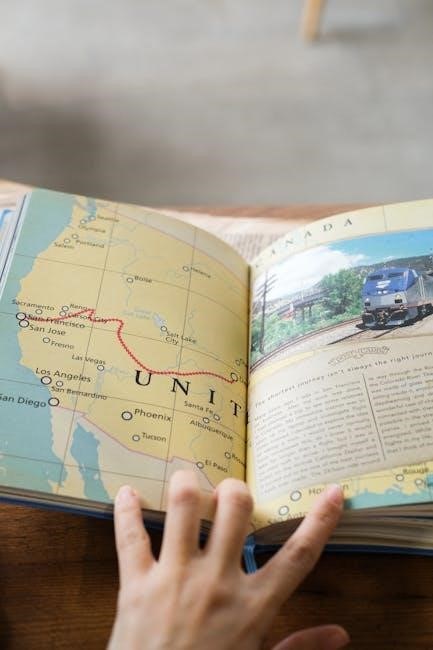
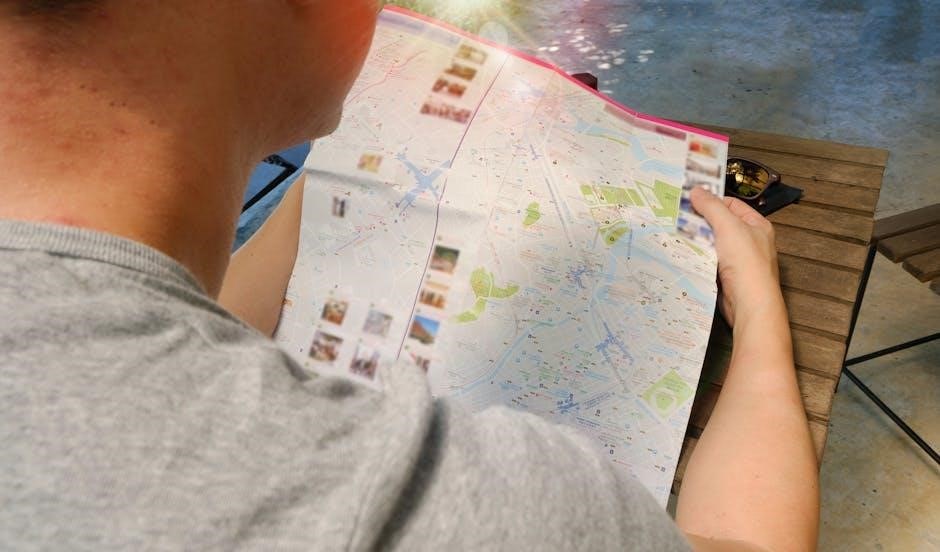
NYT travel guides dedicate a substantial portion of their pages to essential practical information, recognizing that seamless logistics enhance the travel experience. Detailed, easy-to-read maps – often spanning multiple pages – are a cornerstone, providing orientation within cities and regions. These aren’t merely geographical representations; they highlight key attractions, transportation hubs, and recommended routes.
Extensive coverage of transportation options is also paramount. Guides meticulously outline various methods, including public transit (buses, trains, subways), taxi services, ride-sharing apps, and even bicycle rentals. Schedules, fare information, and practical tips for navigating local systems are included. Furthermore, sections address airport transfers, train station access, and potential challenges travelers might encounter. The page allocation reflects the understanding that confident navigation is crucial for a fulfilling journey, allowing visitors to maximize their time exploring and minimizing potential frustrations.
Accommodation & Dining Recommendations
NYT travel guides consistently allocate significant page space to accommodation and dining, understanding these are central to the travel experience. Recommendations aren’t simply lists; they’re curated selections categorized by price point, style (boutique, luxury, budget-friendly), and location. Detailed descriptions go beyond basic amenities, highlighting unique features and ambiance.
Dining sections are equally comprehensive, ranging from Michelin-starred restaurants to local eateries and street food stalls. Reviews offer insights into cuisine, atmosphere, and price range. Guides often include “editor’s picks” and highlight regional specialties. Crucially, practical details like addresses, phone numbers, websites, and reservation information are provided. This extensive coverage ensures travelers can find options aligning with their preferences and budget, fostering memorable culinary experiences and comfortable stays.
Sightseeing & Activities – Detailed Coverage
NYT travel guides dedicate the largest portion of their pages to sightseeing and activities, providing in-depth coverage of landmarks, museums, historical sites, and unique experiences. Descriptions extend beyond basic historical facts, offering contextual narratives and insider perspectives. Guides prioritize not just what to see, but how to experience it, suggesting optimal visiting times, tour options, and nearby attractions.
Activities range from popular tourist routes to off-the-beaten-path adventures, catering to diverse interests. Detailed itineraries are often included, alongside practical information like opening hours, admission fees, and transportation details. Maps pinpoint locations, and walking tours are frequently featured. This comprehensive approach empowers travelers to maximize their time and discover the essence of each destination, ensuring a rich and fulfilling exploration.
Cultural Insights & Historical Background
NYT travel guides distinguish themselves by weaving rich cultural insights and historical background throughout their destination coverage. These sections move beyond superficial descriptions, delving into the societal norms, artistic traditions, and historical events that have shaped each location. Expect detailed explorations of local customs, etiquette guidelines, and the significance of cultural landmarks;
Historical narratives aren’t presented as dry timelines, but as engaging stories that illuminate the present. Guides often explore the complex interplay between past and present, revealing how historical forces continue to influence contemporary life. This contextual understanding enhances the traveler’s appreciation and fosters respectful engagement with local communities, promoting a more meaningful and immersive travel experience.
Digital Guides vs. Print Guides: Page Count Differences
NYT digital guides transcend print limitations, utilizing hyperlinking and interactive elements; consequently, they often require fewer ‘pages’ than their physical counterparts.
Hyperlinking & Interactive Content in Digital Guides
NYT digital travel guides fundamentally differ from print editions through extensive use of hyperlinking and interactive content. This allows for a non-linear reading experience, where users can instantly access detailed information on specific attractions, restaurants, or transportation options without flipping through numerous pages. Instead of dedicating several pages to cross-referencing, digital guides seamlessly connect related content.
Interactive maps, embedded videos, and user-generated content further enrich the experience, reducing the need for lengthy descriptive text. The ability to update information in real-time also means digital guides remain current, eliminating the need for frequent, costly revisions inherent in print publishing. This dynamic nature contributes to a perceived reduction in ‘page count,’ as information is more efficiently presented and readily accessible. Essentially, digital guides prioritize depth and interactivity over sheer volume of printed material.
Print Guide Constraints: Physical Space
NYT print travel guides operate under the significant constraint of physical space. Every page has a cost associated with it – printing, binding, and distribution – forcing editors to make difficult choices about content inclusion. Detailed information must be concise, and extensive cross-referencing is often necessary to compensate for the linear format. Maps, while essential, require careful design to maximize information within a limited area.
Unlike digital versions, print guides cannot be endlessly expanded. Editors must prioritize what is most crucial for travelers, often summarizing information or omitting less essential details. The physical bulk of a guide also influences page count; excessively long guides become unwieldy and less appealing to carry. This inherent limitation shapes the scope and depth of coverage compared to their digital counterparts, impacting the final page count.
Update Frequency & Revision Cycles
NYT travel guides undergo periodic revisions, impacting page counts. Unlike the dynamic nature of digital content, print guides have defined publication cycles. Major revisions, often involving significant content updates and expansions, naturally lead to increased page numbers. Minor updates, such as price changes or new opening hours, can be incorporated with minimal page count alteration.
The frequency of these revisions depends on the destination’s volatility. Popular locations or those experiencing rapid change require more frequent updates, potentially resulting in thicker guides. Conversely, stable destinations may only necessitate revisions every few years. Each new edition involves a complete review of existing content, ensuring accuracy and relevance, which directly influences the final page count and overall guide size.
Specific Examples of NYT Travel Guide Page Counts
NYT guides demonstrate varied lengths; European destinations typically range from 300-500 pages, while Asia guides can exceed 600, reflecting regional complexity and detail.
Europe Guides: Typical Page Ranges
New York Times Europe travel guides generally fall within a substantial, yet variable, page range, typically spanning from approximately 300 to 500 pages. This considerable length reflects the continent’s dense concentration of historical sites, diverse cultures, and extensive transportation networks. Guides covering larger, more multifaceted countries like Italy or France consistently occupy the higher end of this spectrum, often exceeding 450 pages to accommodate detailed city breakdowns, regional explorations, and comprehensive dining recommendations.
Conversely, guides focused on smaller nations or specific regions, such as Portugal or the Greek Islands, may be more concise, landing closer to the 300-page mark. The inclusion of detailed maps, practical travel advice, and extensive photographic spreads also contributes significantly to the overall page count. These guides aim to provide travelers with an immersive and thoroughly researched experience, justifying the substantial investment in page real estate.
Asia Guides: Variations in Length

New York Times Asia travel guides exhibit the most significant page count variations, ranging dramatically from around 250 to over 600 pages. This disparity stems from the continent’s immense geographical scale, cultural diversity, and varying levels of tourism infrastructure. Guides to sprawling nations like China or India, with their complex histories and numerous regions, routinely exceed 500 pages, necessitating extensive coverage of transportation, accommodation, and cultural nuances.
Smaller, more focused guides – perhaps dedicated to a single city like Kyoto or a specific region like Southeast Asia – tend to be more compact, falling within the 250-350 page range. The inclusion of detailed maps, language primers, and in-depth historical context heavily influences the final page count, ensuring a comprehensive resource for diverse Asian adventures.
North America Guides: Regional Differences
New York Times North America travel guides demonstrate moderate page count variations, typically ranging from 300 to 450 pages, influenced by regional complexity and tourist appeal. Guides covering the United States, with its vastness and diverse landscapes, generally fall towards the higher end of this spectrum, often exceeding 400 pages to accommodate detailed coverage of national parks, cities, and road trip routes.
Canada guides tend to be slightly shorter, around 300-380 pages, reflecting a more concentrated geographical area and fewer major metropolitan centers. Mexico guides occupy an intermediate position, with page counts around 350-420, balancing cultural richness with logistical considerations. The depth of dining recommendations and historical background significantly impacts the final length.

The Role of Photography & Visuals
Stunning photography within New York Times guides impacts page layout, demanding space; balancing images with text is crucial for an engaging and informative travel experience.
Impact of Images on Page Layout
High-quality photographs are integral to New York Times travel guides, significantly influencing page layout and overall design. A visually appealing guide necessitates dedicating substantial space to imagery, often requiring adjustments to textual content allocation. Larger images, or a greater number of photographs per section, directly correlate with increased page counts.
The strategic placement of visuals isn’t merely aesthetic; it breaks up dense text, enhances readability, and immerses the reader in the destination. However, this comes at a cost. Editors must carefully balance the desire for captivating visuals with the need to maintain a concise and informative narrative. Decisions regarding image size, cropping, and the number of images per page directly impact the final page length of the guide. A guide prioritizing extensive photographic coverage will naturally be longer than one focusing primarily on textual descriptions.
Furthermore, the inclusion of maps, illustrations, and other visual elements contributes to this effect, demanding careful consideration during the layout process.
Balancing Text & Visual Content
New York Times travel guides strive for a harmonious blend of informative text and captivating visuals, a delicate balancing act impacting page count. Editors meticulously assess how much space each destination warrants, considering its complexity and points of interest. A destination brimming with iconic landmarks and cultural experiences naturally demands more extensive coverage – both written and photographic.
Prioritizing concise, well-crafted prose is crucial, but omitting essential details to save space is undesirable. Therefore, editors often opt to supplement text with carefully selected images, maps, and illustrations. This approach enhances understanding and engagement, justifying a potentially higher page count. The goal isn’t simply to fill pages, but to provide a comprehensive and enriching travel experience.
Ultimately, the ideal balance ensures the guide remains both informative and visually appealing, respecting the reader’s time and enhancing their journey.
Future Trends in Travel Guide Publishing
NYT guides will likely integrate augmented reality and personalized recommendations, potentially diminishing reliance on extensive page counts in traditional print formats.

Augmented Reality & Immersive Experiences
The integration of augmented reality (AR) represents a significant shift in how travelers interact with destination information, potentially lessening the need for exhaustive textual detail within traditional NYT travel guides. AR applications can overlay digital information – historical context, restaurant reviews, real-time transportation updates – directly onto the user’s view of the physical world, creating an immersive and interactive experience.
This technology allows for a dynamic and personalized exploration, reducing the reliance on static, lengthy descriptions found in print guides. Imagine pointing your smartphone at a landmark and instantly accessing a wealth of information, or virtually “stepping into” a historical site. Such experiences can deliver information more efficiently and engagingly than pages of text.
Consequently, future NYT travel resources may prioritize concise, curated content alongside robust AR features, shifting the focus from sheer page count to the quality and interactivity of the information presented. This evolution caters to a generation accustomed to on-demand, visually rich content.
Personalized Travel Recommendations
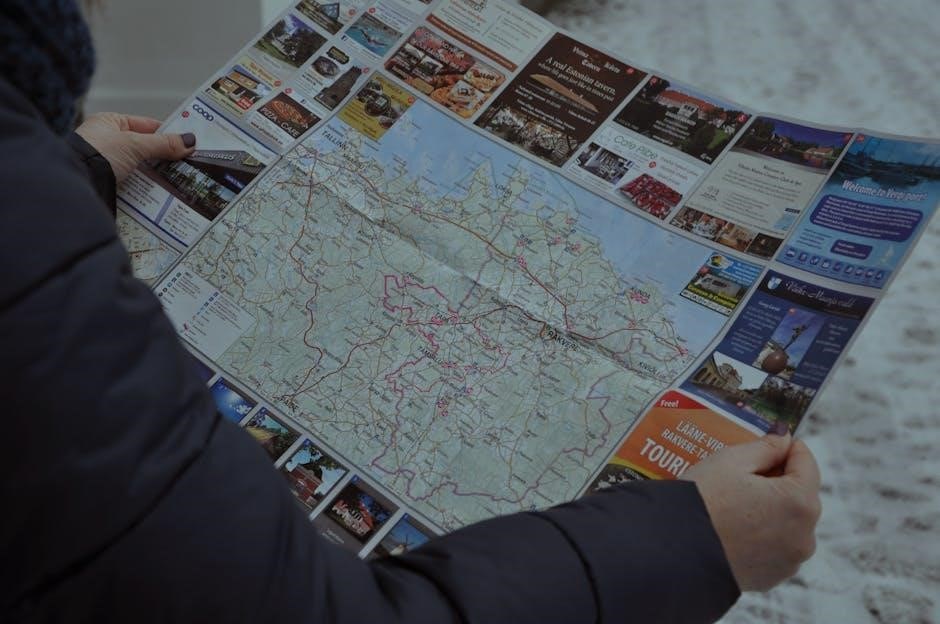
The future of NYT travel guidance leans heavily towards personalization, driven by data analytics and artificial intelligence. Instead of offering a one-size-fits-all approach contained within a fixed page count, guides will adapt to individual traveler preferences, interests, and past behaviors. Algorithms can curate bespoke itineraries, suggesting accommodations, dining options, and activities tailored to each user’s unique profile.
This shift diminishes the necessity for extensive, generalized content. A traveler interested solely in culinary experiences, for example, wouldn’t need detailed coverage of historical sites. Personalized recommendations streamline information, presenting only what’s relevant, effectively reducing the perceived need for a voluminous guide.
NYT could offer modular content, allowing users to select specific areas of interest, creating a customized “guide” – potentially delivered digitally – with a dynamically adjusted page length based on their choices. This represents a move away from comprehensive tomes towards focused, individualized travel companions.