manual breathing can’t sleep

Manual Breathing Techniques for Sleep: A Comprehensive Guide
Recent research highlights that incorporating simple exercises like yoga and walking can significantly improve sleep quality, offering a drug-free approach to combat insomnia.
Understanding the Connection Between Breathing and Sleep
The intricate link between breathing and sleep is fundamental to restorative rest. Proper breathing regulates the autonomic nervous system, shifting it from a sympathetic “fight or flight” state to a parasympathetic “rest and digest” mode – crucial for falling and staying asleep.
When we’re stressed or anxious, breathing becomes shallow and rapid, perpetuating a cycle of alertness. Conversely, slow, deep breathing signals the body it’s safe to relax. Studies demonstrate that consistent practice of manual breathing techniques, like those explored in this guide, can demonstrably improve sleep quality.
Furthermore, exercises such as yoga and Tai Chi, known to enhance breathing patterns, are increasingly recommended as low-cost, accessible alternatives to medication for insomnia, offering a holistic approach to sleep wellness.
The Physiology of Breathing During Sleep
During sleep, our breathing patterns naturally shift, becoming slower and more regular. This reduction in respiratory rate conserves energy and facilitates the physiological processes essential for restoration. However, disruptions to this rhythm – caused by stress, anxiety, or poor air quality – can fragment sleep and lead to insomnia.
The body’s response to these disruptions often involves increased cortisol levels, further exacerbating breathing irregularities. Manual breathing techniques aim to counteract this by consciously regulating the breath, promoting diaphragmatic breathing, and activating the parasympathetic nervous system.
Improving lung function through targeted exercises, alongside addressing air quality concerns, are vital components in optimizing the physiological conditions for restful sleep.
How Stress and Anxiety Impact Breathing Patterns
Stress and anxiety significantly disrupt natural breathing patterns, often leading to shallow, rapid breaths originating from the chest rather than the diaphragm. This type of breathing activates the sympathetic nervous system – the body’s “fight or flight” response – increasing heart rate and cortisol levels, hindering relaxation and sleep onset.
Consequently, individuals experiencing heightened stress may find themselves tossing and turning, unable to quiet their minds and bodies. Manual breathing techniques offer a powerful countermeasure, consciously shifting the body into a state of calm by promoting deeper, slower breaths.
These techniques help regulate the nervous system, reducing anxiety and paving the way for more restful sleep, offering relief without medication.
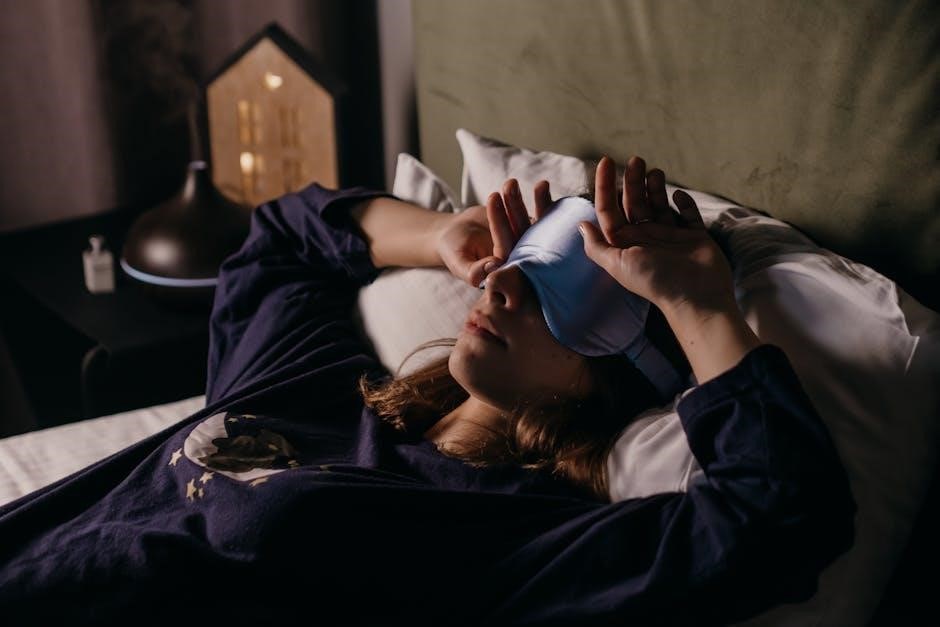
Diaphragmatic Breathing (Belly Breathing) for Sleep
Diaphragmatic breathing, a core technique, encourages full lung expansion and activates the parasympathetic nervous system, promoting relaxation and easing insomnia.
Step-by-Step Guide to Diaphragmatic Breathing
Begin by finding a comfortable position – lying down with knees bent, or seated. Place one hand on your chest and the other on your abdomen.
Slowly inhale deeply through your nose, allowing your abdomen to rise while keeping your chest relatively still. Feel your diaphragm expanding downwards.
Next, exhale slowly through your mouth, gently contracting your abdominal muscles and letting your abdomen fall. Continue this process for 5-10 minutes.
Focus on the sensation of your breath and the movement of your diaphragm. Consistency is key; practice daily for optimal results.
Remember to breathe at a comfortable pace, avoiding any strain or discomfort. This technique aims to calm the nervous system and prepare the body for restful sleep.
Benefits of Diaphragmatic Breathing for Insomnia
Diaphragmatic breathing, or belly breathing, offers a natural pathway to combat insomnia by activating the body’s relaxation response.
This technique reduces heart rate and blood pressure, easing physiological arousal that often keeps individuals awake.
By increasing oxygen levels and promoting a sense of calm, it helps quiet the mind and alleviate racing thoughts.
Regular practice can lower cortisol levels – the stress hormone – contributing to improved sleep quality over time.
Unlike medication, diaphragmatic breathing is a cost-effective, accessible, and side-effect-free method for promoting restful sleep, offering a holistic approach to insomnia management.
Common Mistakes to Avoid When Practicing
When practicing diaphragmatic breathing, avoid forcing the breath; allow it to flow naturally and gently.
Resist the urge to breathe deeply from the chest, as this defeats the purpose of engaging the diaphragm.
Don’t practice immediately after strenuous exercise, allowing your body to first return to a resting state.
Avoid holding your breath at any point during the exercise, maintaining a continuous, rhythmic pattern.
Be patient and consistent; results may not be immediate, and regular practice is key to experiencing the full benefits for improved sleep.
4-7-8 Breathing Technique
This powerful technique, involving a specific breath-holding pattern, is lauded for its calming effects and potential to alleviate insomnia without medication.
Detailed Instructions for the 4-7-8 Method
To begin, find a comfortable position – sitting or lying down is acceptable. Gently close your mouth and inhale deeply through your nose for a count of four. Next, hold your breath for a count of seven, consciously resisting the urge to exhale.
Following the seven-second hold, exhale completely through your mouth, making a whooshing sound, for a count of eight. This complete exhalation is crucial. Repeat this entire cycle four times initially, and gradually increase to eight cycles as you become more comfortable.
It’s important to maintain focus throughout the exercise, concentrating solely on your breath and the counting. Consistency is key; practicing this technique regularly can yield significant improvements in sleep quality and overall relaxation.
Why the 4-7-8 Technique Works
The 4-7-8 breathing method is rooted in ancient yogic practices and aims to restore balance to the autonomic nervous system. The extended exhale activates the parasympathetic nervous system – often called the “rest and digest” system – which counteracts the “fight or flight” response triggered by stress and anxiety.

This physiological shift slows the heart rate and lowers blood pressure, promoting a state of calm conducive to sleep. The controlled breathing pattern also increases oxygen levels in the blood, further relaxing the body and mind.
By focusing on the breath, the technique also serves as a form of mindfulness, diverting attention from racing thoughts that often contribute to insomnia.
Precautions and Considerations for 4-7-8 Breathing
While generally safe, the 4-7-8 technique isn’t suitable for everyone. Individuals with pre-existing respiratory conditions, such as asthma or COPD, should consult a healthcare professional before practicing, as the controlled breathing may exacerbate symptoms.
Some may experience lightheadedness or dizziness, particularly when starting out. If this occurs, pause the exercise and breathe normally. It’s crucial to practice in a comfortable, seated or lying-down position to prevent falls.
Avoid practicing before activities requiring alertness, like driving. Consistency is key; regular practice yields the best results, but forcing the technique can be counterproductive.
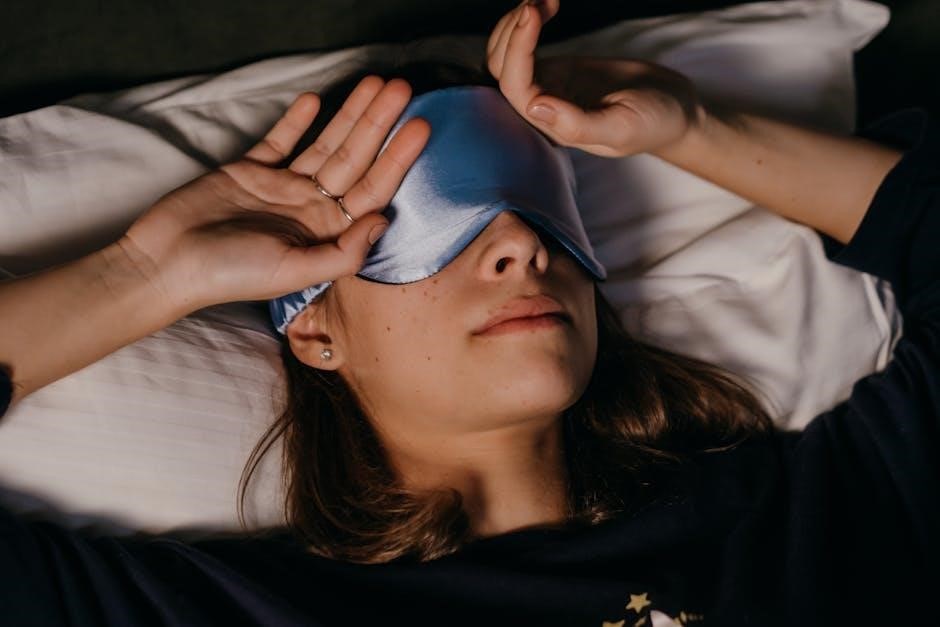
Box Breathing (Square Breathing) for Relaxation
Box breathing offers a simple yet powerful method for calming the nervous system, promoting relaxation, and easing insomnia without medication or complex routines.
How to Perform Box Breathing Correctly

Begin by finding a comfortable and quiet space where you can sit or lie down without interruption. Close your eyes gently to minimize distractions and enhance focus. Initiate the technique by slowly inhaling through your nose for a count of four, feeling your abdomen expand as you fill your lungs with air.
Next, hold your breath for another count of four, maintaining a relaxed and steady state. Then, exhale slowly through your mouth for a count of four, releasing all the air from your lungs. Finally, hold your breath again for a count of four, before repeating the cycle.
Visualize a square with each side representing one phase of the breathing process – inhale, hold, exhale, and hold. Continue this pattern for several minutes, focusing on the rhythm and sensation of your breath.
The Psychological Effects of Box Breathing
Box breathing, also known as square breathing, profoundly impacts the nervous system, shifting it from a state of sympathetic dominance – associated with stress and anxiety – to parasympathetic activation, promoting relaxation. This balanced state reduces cortisol levels, the primary stress hormone, fostering a sense of calm and mental clarity.
The rhythmic nature of the technique acts as a form of mindfulness, anchoring you to the present moment and diverting attention from racing thoughts that often contribute to insomnia.
By regulating breath, box breathing influences brainwave activity, encouraging the production of alpha and theta waves, which are linked to relaxation and improved sleep quality. This practice can be particularly beneficial for individuals struggling with overthinking or emotional distress before bedtime.
Integrating Box Breathing into Your Bedtime Routine
To maximize the benefits of box breathing for sleep, consistently incorporate it into your nightly routine. Begin practicing 10-20 minutes before bed in a quiet, comfortable environment; Dim the lights and minimize distractions to enhance relaxation.
Start with 5-10 repetitions of the 4-4-4-4 cycle (inhale for 4, hold for 4, exhale for 4, hold for 4), gradually increasing the duration as you become more comfortable.
Combine box breathing with other sleep hygiene practices, such as creating a relaxing bedtime environment and maintaining a consistent sleep schedule. This synergistic approach amplifies the positive effects, promoting deeper, more restorative sleep.

The Role of Exercise in Improving Sleep Quality
Studies demonstrate that regular physical activity, including yoga, Tai Chi, walking, and jogging, effectively enhances sleep and alleviates insomnia symptoms.
Yoga and Tai Chi for Enhanced Breathing and Sleep
Yoga and Tai Chi are increasingly recognized as powerful tools for improving both breathing patterns and sleep quality, offering a natural alternative to medication. These practices emphasize mindful movement, controlled breathing exercises – often aligning with techniques like diaphragmatic breathing – and gentle stretching, all of which contribute to relaxation and reduced stress. Research indicates that consistent yoga practice can increase total sleep time and decrease sleep latency, the time it takes to fall asleep.
Tai Chi, similarly, promotes deep, rhythmic breathing and cultivates a sense of calm, making it beneficial for those struggling with insomnia. The low-impact nature of both disciplines makes them suitable for individuals of all fitness levels and ages. Experts suggest these activities are easily recommended to patients due to their affordability and minimal risk, providing a holistic approach to better sleep.
Walking and Jogging as Sleep Aids
While intense workouts close to bedtime are discouraged, regular walking and jogging throughout the week demonstrably improve sleep quality, offering a simple yet effective solution for insomnia. Research suggests you don’t need strenuous exercise to reap the benefits; even moderate physical activity can significantly enhance your nights’ rest. These activities promote physiological changes, including regulating the body’s circadian rhythm and reducing stress hormones like cortisol;
Studies analyzing numerous treatments for insomnia reveal walking and jogging are among the most effective, sometimes even surpassing therapy in improving sleep outcomes. Their accessibility and low cost make them ideal recommendations for individuals seeking natural sleep aids. Consistent, moderate exercise contributes to a healthier sleep-wake cycle and overall well-being.
Timing of Exercise for Optimal Sleep Benefits
To maximize sleep improvements, the timing of your walking or jogging routine is crucial. Avoid vigorous exercise too close to bedtime, as it can temporarily elevate body temperature and cortisol levels, potentially disrupting sleep onset. Research indicates that completing your workout at least several hours before bed allows your body to cool down and relax.
Morning or afternoon exercise appears to be most beneficial for regulating the circadian rhythm and promoting deeper, more restorative sleep. Consistent timing is key; establishing a regular exercise schedule reinforces your body’s natural sleep-wake cycle. Prioritizing moderate activity earlier in the day can significantly contribute to a better night’s rest, offering a natural alternative to sleep aids.
Addressing Air Quality and Respiratory Health
Poor air quality negatively impacts sleep, necessitating attention to respiratory health. Breathing exercises can improve lung function, aiding restful sleep and overall well-being.
Impact of Poor Air Quality on Sleep
Diminished air quality presents a significant, often overlooked, obstacle to achieving restorative sleep. As highlighted by recent reports, particularly concerning areas like Delhi-NCR experiencing elevated AQI levels, compromised air directly affects respiratory health, triggering disruptions during sleep. Pollutants irritate the airways, leading to coughing, wheezing, and shortness of breath – all factors that fragment sleep and reduce its overall quality.
Exposure to particulate matter and other airborne irritants can exacerbate existing respiratory conditions like asthma and allergies, further intensifying sleep disturbances. Even for individuals without pre-existing conditions, poor air quality can cause inflammation and discomfort, making it difficult to fall asleep and stay asleep. This creates a vicious cycle, as sleep deprivation weakens the immune system, making individuals more susceptible to the negative effects of air pollution.
Therefore, proactively addressing air quality concerns is crucial for optimizing sleep health, alongside implementing breathing techniques.
Breathing Exercises for Improved Lung Function
Strengthening lung capacity and efficiency through targeted breathing exercises can significantly alleviate sleep disturbances linked to respiratory discomfort. While not directly mentioned in current reports, integrating these practices complements efforts to address poor air quality’s impact on sleep. Deep, controlled breathing techniques enhance oxygen intake and carbon dioxide expulsion, promoting relaxation and reducing the physical strain on the respiratory system.
Exercises focusing on diaphragmatic breathing – utilizing the belly rather than the chest – are particularly beneficial. This method maximizes lung expansion and encourages full, efficient breaths. Regular practice can improve lung elasticity and overall respiratory function, making it easier to breathe comfortably during sleep.
These exercises, combined with mindful awareness of breathing patterns, can help individuals regain control over their respiratory system and foster a more peaceful sleep experience.
Protecting Your Respiratory System for Better Sleep
Given the increasing concerns about air quality, safeguarding your respiratory health is paramount for achieving restorative sleep. Reports indicate that declining air quality directly impacts sleep, making preventative measures crucial. Minimizing exposure to pollutants – through air purifiers, closed windows during peak pollution times, and avoiding heavily trafficked areas – is a vital first step.
Beyond environmental controls, adopting healthy habits like staying hydrated, avoiding smoking, and managing allergies can further protect your lungs. Regular exercise, as highlighted in recent studies, also contributes to improved lung function.
Prioritizing respiratory health isn’t just about physical well-being; it’s a fundamental component of creating the optimal conditions for deep, uninterrupted sleep.

Combining Breathing Techniques with Other Sleep Hygiene Practices
Establishing a relaxing bedtime routine, alongside consistent sleep schedules, amplifies the benefits of breathing exercises for improved sleep and overall well-being.
Creating a Relaxing Bedtime Environment
Transforming your bedroom into a sanctuary for sleep is crucial when combining breathing techniques with good sleep hygiene. Dim the lights an hour before bed, opting for warm, amber tones instead of harsh blue light emitted from screens.
Maintain a cool room temperature, ideally between 60-67 degrees Fahrenheit, as this supports the body’s natural temperature decrease during sleep. Minimize noise distractions with earplugs, a white noise machine, or calming ambient sounds.
Ensure your bed is comfortable with supportive pillows and bedding. Consider aromatherapy with lavender or chamomile to promote relaxation. A clutter-free space also contributes to a calmer mental state, preparing you for restful sleep alongside your breathing exercises.
The Importance of a Consistent Sleep Schedule
Establishing a regular sleep-wake cycle is paramount for regulating your body’s natural circadian rhythm, even when utilizing manual breathing techniques. Go to bed and wake up around the same time every day, including weekends, to reinforce this internal clock.
This consistency helps signal to your brain when it’s time to release sleep-promoting hormones like melatonin. Avoid long naps during the day, as they can disrupt nighttime sleep.
Pairing a consistent schedule with breathing exercises maximizes their effectiveness, training your body to associate these practices with sleep. A predictable routine minimizes sleep disturbances and promotes deeper, more restorative rest.
When to Seek Professional Help for Insomnia
While manual breathing techniques can be incredibly beneficial, persistent insomnia warrants professional evaluation. If self-help strategies, including consistent breathing exercises, fail to improve your sleep after several weeks, consult a healthcare provider.
Underlying medical conditions or mental health concerns, such as anxiety or depression, can contribute to insomnia and require specific treatment.
Don’t hesitate to seek help if insomnia significantly impacts your daily functioning, mood, or overall health. A doctor can rule out other causes and recommend appropriate interventions, potentially including cognitive behavioral therapy for insomnia (CBT-I).