meal plan for 3-5 year olds pdf
Planning nutritious meals for preschoolers (3-5 years) is vital for growth and development․ Utilizing a meal plan, potentially found as a PDF resource, ensures balanced diets and healthy habits․
Offering variety from all food groups, like fruits and vegetables, is key, mirroring family meals while considering age-appropriate portion sizes․
Why a Meal Plan is Important
A well-structured meal plan, often available as a downloadable PDF, is crucial for ensuring your 3-5 year old receives a balanced nutritional intake․ It eliminates guesswork, reducing the stress of daily meal decisions and promoting consistent healthy eating habits․
Meal planning helps parents proactively address nutritional needs, incorporating essential food groups – fruits, vegetables, proteins, and grains – in appropriate portions (around 1 tablespoon per year of age)․
PDF resources often provide sample schedules and checklists, simplifying the process and fostering a calm, routine-based mealtime environment, beneficial for toddlers who thrive on predictability․
Understanding Nutritional Needs (3-5 Years)
Preschoolers (3-5 years) require a diverse diet supporting rapid growth and development․ A meal plan PDF can guide parents in meeting these needs, emphasizing nutrient-rich foods․
Key nutrients include protein for muscle building, calcium for strong bones, and iron for healthy blood․ Healthy fats are also vital․ Portion control is essential – generally, 1 tablespoon per year of age is a good guideline․
PDF resources often detail daily requirements, helping ensure adequate intake of vitamins and minerals, while promoting healthy eating habits from a young age․

Sample Meal Plan Structure
A structured meal plan, often available as a PDF, typically includes three meals and two to three snacks daily, offering variety and balanced nutrition for preschoolers․
Daily Calorie Requirements
Determining daily calorie needs for 3-5 year olds varies based on activity level and individual metabolism․ Generally, a 3-year-old requires around 1,200-1,400 calories, while a 5-year-old may need 1,400-1,600 calories daily․
A well-structured meal plan PDF can help distribute these calories effectively across meals and snacks․ Prioritize nutrient-dense foods over calorie-rich, less nutritious options․ Remember that these are estimates, and observing your child’s hunger cues is crucial for appropriate portioning and overall healthy growth․
Portion Sizes: The “1 Tablespoon per Year” Rule
A helpful guideline for portioning is the “1 tablespoon per year” rule․ This suggests offering a 3-year-old approximately 3 tablespoons of a particular food, and a 4-year-old, 4 tablespoons․ This is a starting point, and children’s appetites fluctuate․
A detailed meal plan PDF often illustrates appropriate serving sizes visually․ Encourage self-regulation by allowing children to ask for more if they are still hungry, fostering a healthy relationship with food and preventing overeating․

Breakfast Ideas
Nutritious breakfasts fuel active preschoolers․ A meal plan PDF can offer quick, easy options like fruit, whole-grain crackers, or recipes for a balanced start․
Prioritize variety and consider your child’s preferences for a positive morning routine․
Quick & Easy Breakfast Options
Busy mornings call for simple breakfasts! A meal plan PDF often highlights these time-savers․ Consider sliced fresh fruit – a colorful and vitamin-rich choice․ Whole-grain crackers with a smear of cheese provide sustained energy․
Yogurt (check sugar content!) is another fast option, potentially paired with berries․ Pre-cooked oatmeal, quickly reheated, is a warm and comforting choice․ These options require minimal preparation, fitting seamlessly into hectic schedules․ Remember portion control – about 1 tablespoon per year of age is a good guideline․
These ideas support a healthy start to the day․
Nutritious Breakfast Recipes
Beyond quick options, a meal plan PDF can inspire more elaborate, yet still easy, breakfasts․ Try whole-wheat pancakes with fruit – a fun and nutritious treat! Scrambled eggs with chopped vegetables offer protein and vitamins․
Overnight oats, prepared the night before, are a convenient and healthy choice․ Smoothies, blending fruits, yogurt, and a touch of spinach, are a sneaky way to boost veggie intake․ Remember to adjust portion sizes to around 3 tablespoons for a 3-year-old, promoting balanced nutrition and sustained energy․
These recipes fuel active mornings!

Lunchtime Solutions
A well-planned lunchbox, guided by a meal plan PDF, should include variety․ Pack fruits, vegetables, whole grains, and protein for sustained energy throughout the afternoon․
Packing a Healthy Lunchbox
Creating a nutritious lunchbox is easier with a pre-planned meal plan, often available as a convenient PDF․ Focus on balance: include a fruit or vegetable, a whole-grain carbohydrate, and a lean protein source․
Consider options like sliced apples, carrot sticks with hummus, whole-wheat crackers, and cheese cubes or turkey slices․ A small, healthy snack, like yogurt, can also be included․
Remember to use appropriately sized containers and keep foods at safe temperatures with an ice pack․ Referencing a PDF meal plan ensures variety and portion control, supporting your child’s healthy eating habits․
Lunch Recipes for Preschoolers
A well-structured meal plan, often found as a downloadable PDF, simplifies lunch preparation․ Try mini whole-wheat pita pockets filled with hummus and chopped veggies – a fun and nutritious option․ Another idea is cheese and turkey roll-ups with sliced cucumbers․
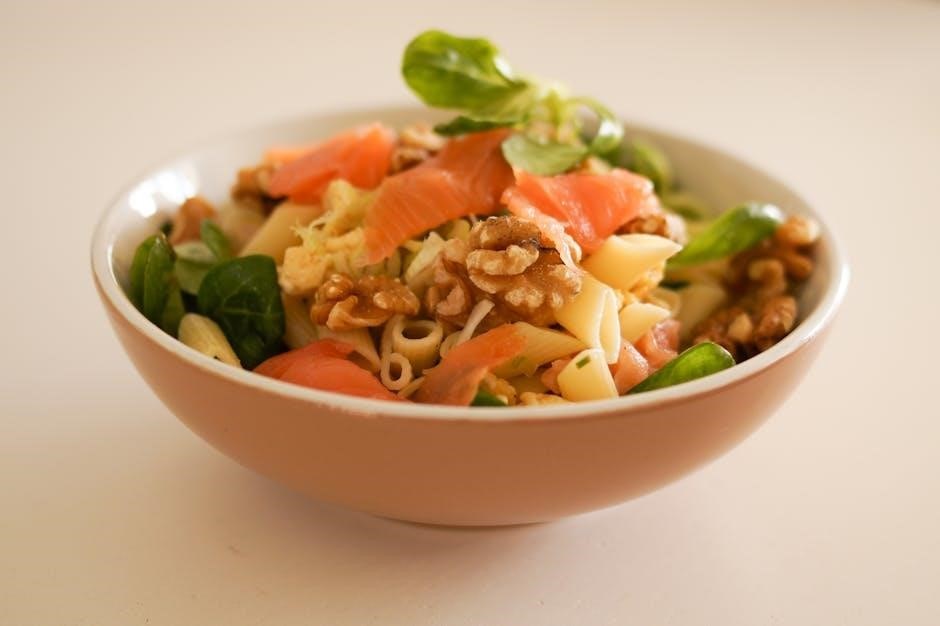
Pasta salad with cooked chicken and colorful vegetables is also a hit․ Utilizing a PDF plan provides recipe ideas and ensures balanced nutrition․ Remember to adjust portion sizes to approximately 1 tablespoon per year of age․
Keep it simple, appealing, and age-appropriate!
Snack Time Strategies
A meal plan PDF helps schedule 2-3 daily snacks․ Offer sliced fruit, cooked veggies with dip, or whole-grain crackers with cheese for healthy options․
Healthy Snack Ideas
Snack time is a crucial part of a preschooler’s day, bridging the gap between meals and providing sustained energy․ A well-structured meal plan PDF can offer inspiration for nutritious choices․ Consider sliced fresh fruit – apples, bananas, or berries – for a naturally sweet treat․
Cooked vegetables, like steamed broccoli or carrot sticks, paired with a healthy dip such as hummus or yogurt, are excellent options․ Whole-grain crackers with cheese provide a balance of carbohydrates and protein․ Remember to vary the snacks to ensure a wide range of nutrients and keep things interesting for little ones!
Timing of Snacks
Strategic snack timing is essential for maintaining energy levels and preventing mealtime battles․ A meal plan PDF can help establish a consistent schedule․ Aim for two to three healthy snacks per day, spaced between meals – mid-morning and mid-afternoon are ideal․
Avoid offering snacks too close to meal times, as this can diminish appetite․ Consistent timing supports a toddler’s routine and promotes healthy eating habits․ Remember to offer snacks at regular intervals to avoid hunger-induced meltdowns and encourage mindful eating․

Dinner Delights
Family-friendly dinner recipes, often detailed in a meal plan PDF, should include diverse nutrients․ Incorporating vegetables is crucial for a balanced preschooler’s diet․
Offer the same foods as the family, adapting textures as needed for little ones․
Family-Friendly Dinner Recipes
Discovering dinner recipes suitable for the whole family, and specifically outlined in a meal plan PDF, simplifies mealtime․ Consider options like baked chicken with roasted sweet potatoes and broccoli – a colorful and nutritious choice․
Mini meatloaves paired with mashed potatoes and green beans are another hit․ Pasta with a hidden vegetable sauce (pureed carrots or zucchini) is a sneaky way to boost veggie intake․
Fish sticks (baked, not fried) with peas and rice offer essential omega-3s․ Remember to adjust portion sizes to approximately 1 tablespoon per year of age, ensuring a balanced and enjoyable meal for everyone․
Incorporating Vegetables into Dinner
Successfully adding vegetables to dinner, often detailed within a meal plan PDF, requires creativity․ Puree vegetables into sauces – think butternut squash mac and cheese or carrot-infused tomato sauce․
Roast vegetables alongside protein; the caramelization enhances flavor․ Sneak finely chopped veggies into meatballs or meatloaf․ Offer a colorful vegetable platter with a healthy dip alongside the main course․
Make it fun – vegetable skewers or “build your own” salad stations encourage participation․ Remember, consistent exposure is key, even if initial acceptance is slow․
Foods to Limit or Avoid
Meal plan PDFs often highlight limiting added sugars, especially for younger children․ Choking hazards like popcorn, nuts, and seeds should be avoided for 3-5 year olds․
Added Sugars and Their Impact
Meal plan PDFs frequently emphasize minimizing added sugars in a preschooler’s diet․ It’s generally recommended that children under two years old avoid added sugars altogether, and this principle extends to the 3-5 year old age group․
Excessive sugar intake can contribute to health issues like tooth decay, weight gain, and potentially influence future food preferences․ Opting for naturally sweet foods – fruits – over sugary drinks and processed snacks is a healthier approach․ Carefully review ingredient lists on packaged foods to identify hidden sugars․
Choking Hazards (Popcorn, Nuts, Seeds)
Meal plan PDFs for 3-5 year olds consistently highlight potential choking hazards․ Foods like popcorn, whole nuts, and seeds pose a significant risk due to their size and shape, which can easily obstruct a child’s airway․
Caregivers should be particularly vigilant when serving these items․ Alternatives include nut butters (spread thinly) or finely ground seeds․ Always supervise meal times and ensure children are seated while eating․ Awareness and preventative measures are crucial for a safe eating experience․

Creating a Calm Mealtime Environment
Mealtime PDFs emphasize routine; consistent schedules and a dedicated eating space foster positive habits․ Toddlers thrive on predictability, promoting relaxed and enjoyable meals․
Family meals encourage social interaction and model healthy eating behaviors․
Establishing a Routine
Consistent mealtimes are foundational for preschoolers, as highlighted in many meal plan PDFs․ Serving meals and snacks around the same time each day provides a sense of security and predictability, reducing mealtime battles․
Toddlers flourish with structure; a regular schedule helps regulate appetite and encourages better eating habits․ Always have children sit at the table to eat and drink, and limit food access to designated meal or snack times․
Aim for three meals and two to three healthy snacks daily, incorporating nutritious options as suggested in downloadable resources․
Encouraging Family Meals
Family mealtimes are incredibly beneficial for preschoolers, and many meal plan PDFs emphasize their importance․ Sharing meals together fosters positive social interactions and models healthy eating behaviors․
Offer children the same nutritious foods as the rest of the family, adapting portion sizes as needed – a helpful guide often included in downloadable meal plans․ This encourages acceptance of a wider variety of foods․
Creating a relaxed and enjoyable atmosphere during meals promotes positive associations with food and strengthens family bonds․

Resources for Printable Meal Plans (PDFs)
Numerous online resources offer printable meal plans (PDFs) tailored for 3-5 year olds, providing structured guidance and checklists for balanced nutrition and easy planning․
Where to Find Reliable Meal Plan PDFs
Locating trustworthy meal plan PDFs requires careful consideration․ Government health websites, like those offering the “Healthy Feeding for your Toddler” resources (available as 24-page PDFs), are excellent starting points․
Look for PDFs from registered dietitians or pediatric nutritionists; these professionals ensure plans align with age-appropriate nutritional needs․ University extension programs often provide free, research-backed meal planning guides․
Be cautious of blogs or websites lacking credible sources․ Prioritize PDFs that emphasize variety, portion control (the “1 tablespoon per year” rule), and minimizing added sugars․
Utilizing Food Group Checklists
Food group checklists are invaluable tools when implementing a meal plan PDF for 3-5 year olds․ These checklists, often included within comprehensive PDF guides, ensure a balanced intake of fruits, vegetables, grains, protein, and dairy․
They help visualize nutritional completeness at each meal, prompting inclusion of diverse foods․ Utilize the Daily Food Checklist to divide meals effectively, ensuring adequate servings from each group․
Checklists also aid in identifying potential deficiencies, allowing for adjustments to the meal plan․ Regularly reviewing and utilizing these checklists promotes healthy eating habits․
Adapting Meal Plans for Picky Eaters
Meal plan PDFs can be adapted by introducing new foods gradually and consistently․ Strategies include offering small portions and dealing calmly with food refusal․
Strategies for Introducing New Foods
Successfully introducing new foods to preschoolers requires patience and consistency․ Begin with small portions alongside familiar favorites, encouraging exploration without pressure․ Repeated exposure – offering the food multiple times – is crucial, as it can take several attempts before acceptance․
Utilizing meal plan PDFs can provide inspiration for varied options․ Present new foods in fun, appealing ways, and involve children in meal preparation when possible․ Remember, modeling healthy eating habits as a family significantly influences a child’s willingness to try new things․
Avoid forcing or bribing, which can create negative associations․
Dealing with Food Refusal
Food refusal is common in preschoolers․ Remain calm and avoid power struggles; pressuring a child can worsen the situation․ Respect their small appetites and understand that food intake fluctuates․ Continue offering a variety of healthy options, even if initially refused․
Meal plan PDFs can offer diverse ideas, preventing mealtime monotony․ Don’t substitute refused foods with less nutritious alternatives․ Instead, calmly remove the plate without comment․
Focus on creating a positive mealtime environment and trust that the child will eat when hungry․